
Recognising the Hidden Asset: Your Skill
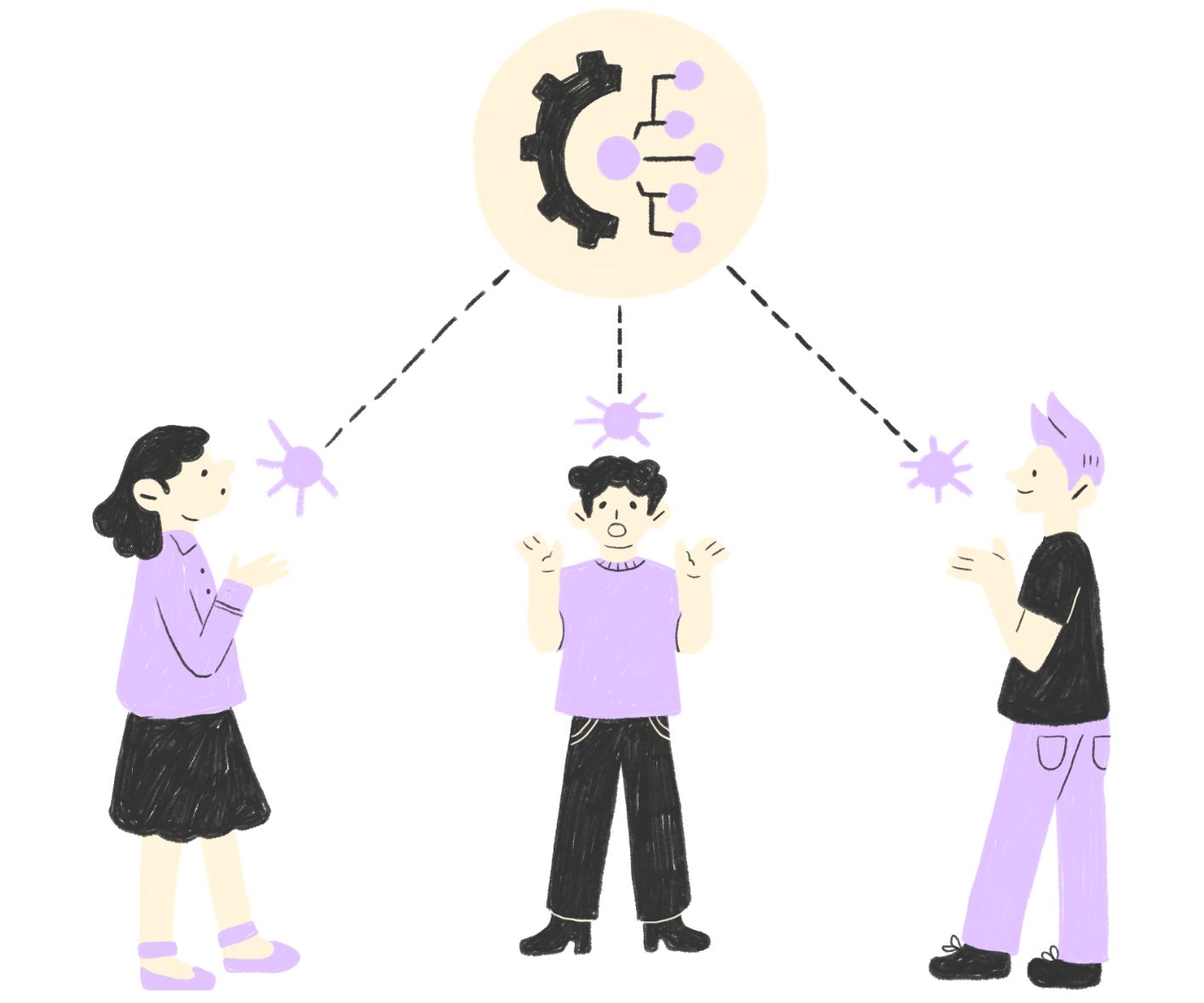
When women become micro-entrepreneurs, they do more than start a business, they shift community dynamics. Consider Arti Rana from northern India. She organized over 800 Tharu women to create handicrafts and traditional goods, thereby earning recognition and sustainable income for the group. Her journey shows how tapping into local culture + women’s networks = a powerful force.
Crafting a Business Model Around Your Skill

Freelancers and artisans need simple business models. Say you’re an illustrator: you can sell digital prints, take commissioned work via Instagram, license your designs for locally-made products, and host a live online workshop. For an artisan making hand-woven baskets in Kuala Lumpur’s markets, you might partner with cafés to display your work, run DIY basket-weaving classes on weekends, and create bundled gift-sets for tourists or online shoppers. By diversifying how your skill earns money, you protect against slow months and tap multiple revenue streams.
Having the skill is one thing; finding buyers is another. For freelancers and artisans in emerging markets, digital presence is your launchpad. A simple website (even a single-page “about and work” site), an Instagram or TikTok account displaying your projects, and an online marketplace listing (Shopee, Etsy, etc) can dramatically widen your audience. Collaborations help too: think pop-up craft nights, local creative-meetups, or featuring your work in community hubs. Word-of-mouth remains strong in Malaysia—leverage your network, ask satisfied clients for referrals, and post testimonials.
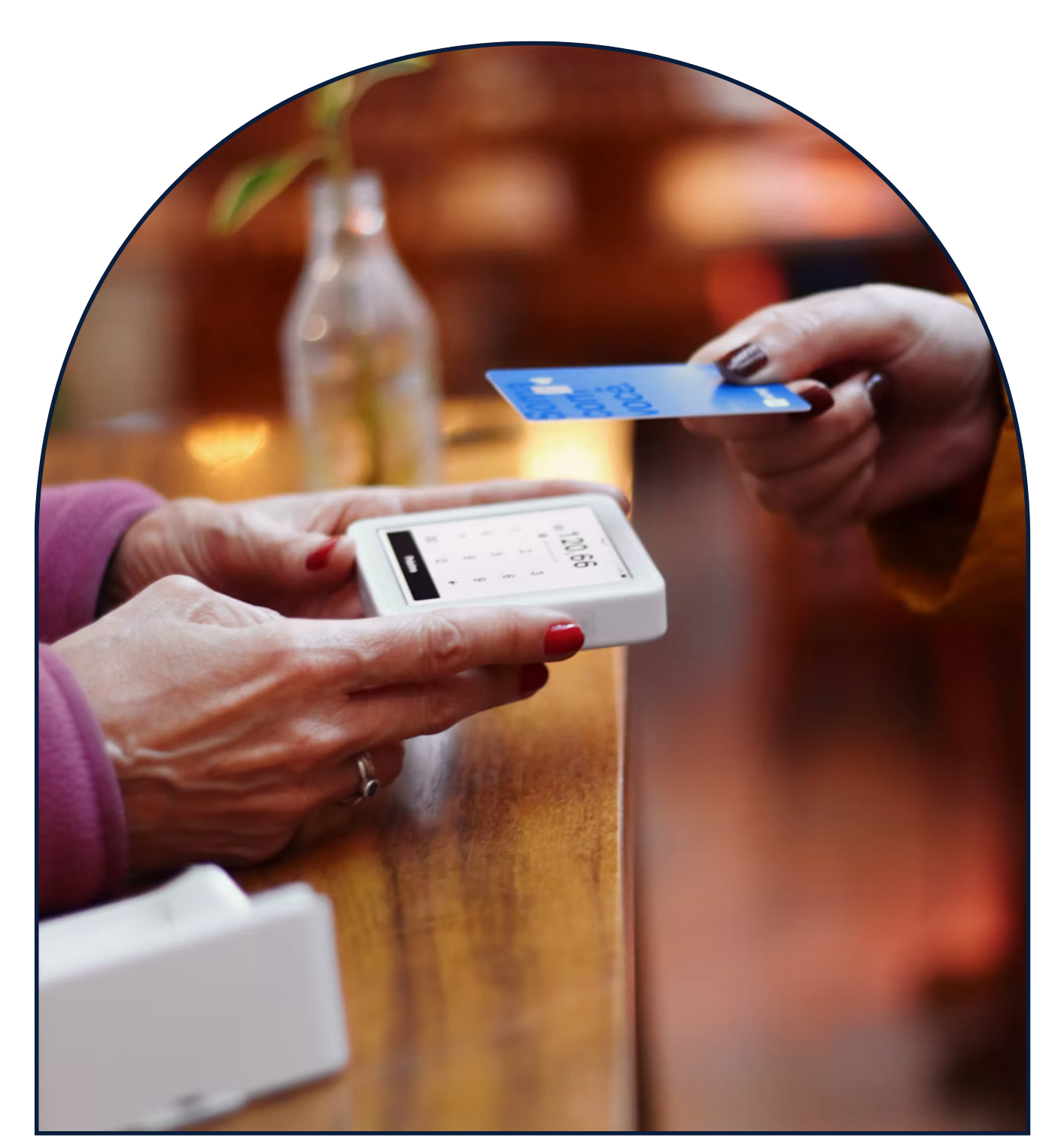

Turning a skill into income means tracking costs, pricing intentionally, and scaling with intention. Know your material costs, your time cost (yes, your labour counts), and your overheads (electricity, tools, packaging). Price your services or products to cover those costs and leave a margin. Test small batches before full launch. Scale by outsourcing mundane tasks (packing, shipping) so you focus on creating and client-building. For example, a wood-carver might partner with a local delivery hub for logistics, freeing time to craft new pieces and market them.
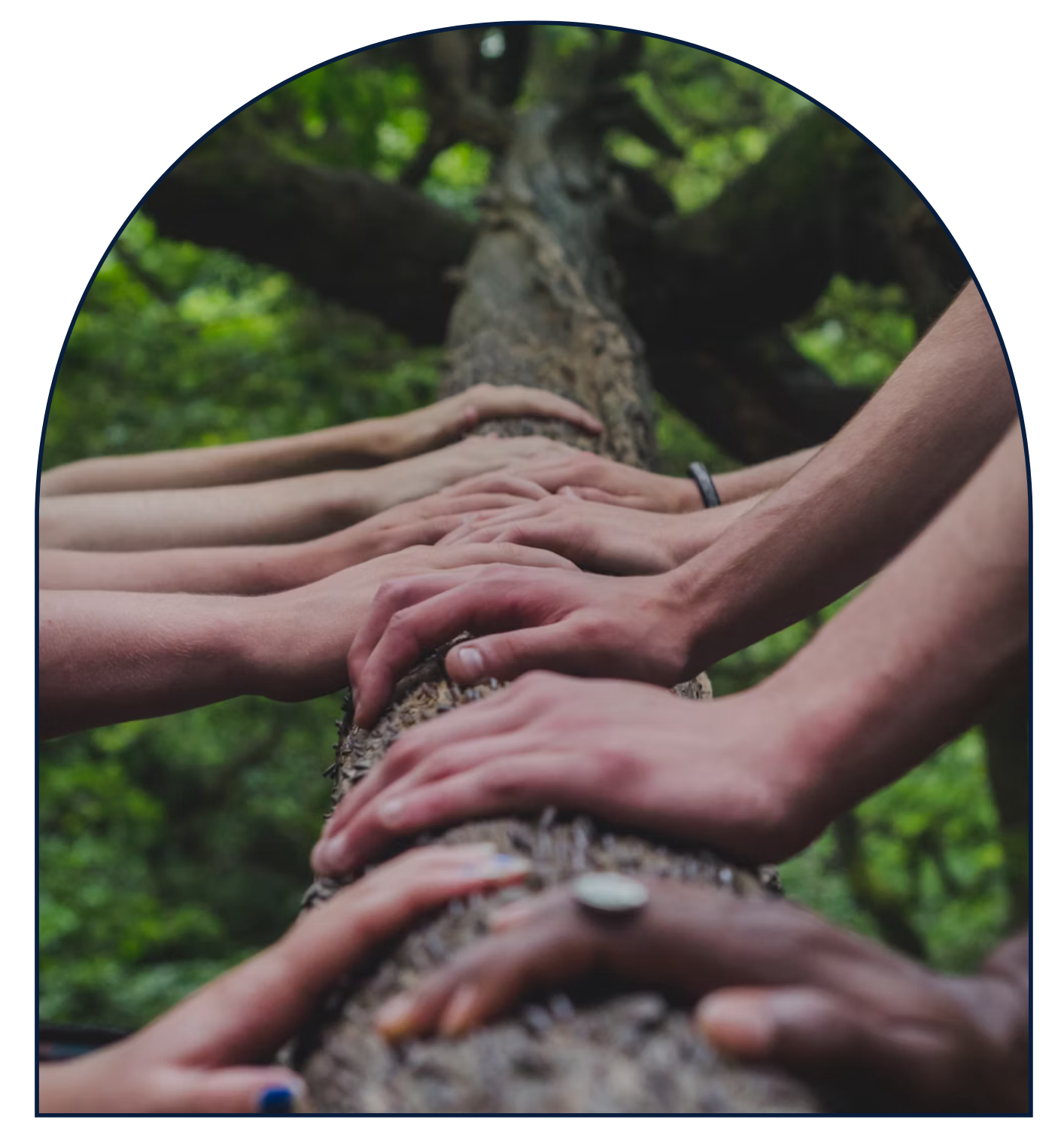
Freelancers and artisans benefit immensely from joining networks. These could be local artisan co-ops in Kuala Lumpur, freelancer Facebook groups, craft marketplaces, or “creative hubs” run by universities or NGOs. These often host masterclasses, photo-shoot evenings, mentoring sessions and sometimes offer micro-grants. You’re not alone in this. A community gives motivation, access to shared resources (like a common studio or tool library), and collaborative opportunities (joint exhibitions, shared shipping).
Crafting a Business Model Around Your Skill
When artists and freelancers treat their skills as micro-enterprises, they gain financial independence, creative freedom and community impact. You’re not just selling your product or service; you’re owning your narrative, crafting your life on your own terms. Emerging markets like Malaysia are poised for this wave of micro-enterprise because of lower fixed-cost digital tools, growing consumer interest in artisan goods, and rising support ecosystems for freelancers. Your next step is seeing your skill not just as what you do, but what you build.
Key Takeaways
- Diversify your revenue streams – Don't rely on one income source; combine product sales, commissions, workshops, and partnerships to protect against slow periods and maximize your skill's earning potential.
- Build your digital presence strategically – A simple website, active social media showcasing your work, and online marketplace listings can dramatically expand your reach beyond local word-of-mouth referrals.
- Leverage community networks and track your costs – Join artisan co-ops, freelancer groups, or creative hubs for support and resources, while carefully pricing your work to cover materials, labor, and overheads with a healthy margin.